More Than a Manager: Why Liam Rosenior’s Appointment Marks a Turning Point for Chelsea, English Football, and the Global Game

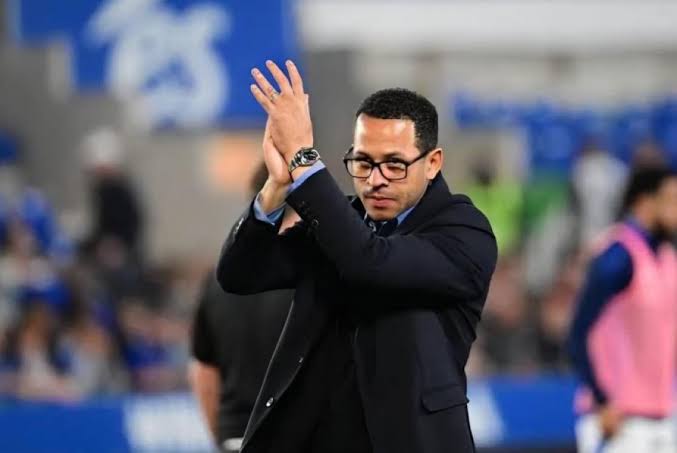
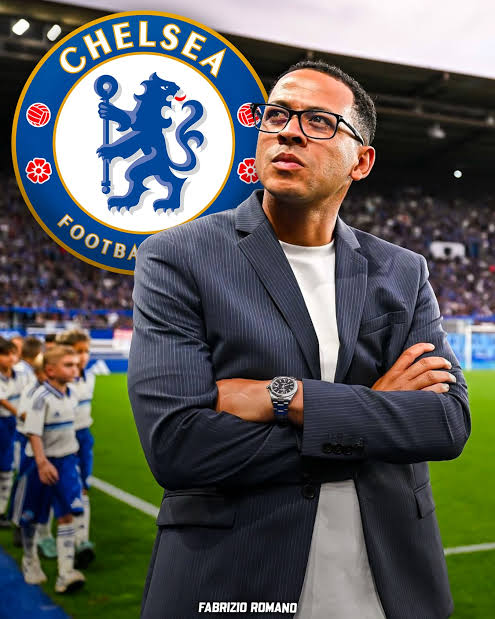
When Chelsea confirmed Liam Rosenior as head coach, the announcement arrived without spectacle. No grand unveiling. No dramatic messaging. Yet in elite football, the most meaningful changes often arrive quietly — and this one carries consequences that stretch far beyond Stamford Bridge.
This is not just a managerial appointment.
It is a moment of alignment — between modern football thinking, institutional courage, and a game that has long lagged behind its own diversity.
Chelsea did not simply choose a coach.
They chose a direction.
A Contract That Speaks Louder Than Headlines
In modern elite football, contract length is a language of intent. Short deals signal caution. Rolling clauses signal uncertainty. Long-term contracts signal belief.
Chelsea’s agreement with Rosenior is not structured like a stopgap. It is designed as a project contract, offering time, authority, and internal legitimacy. That alone distinguishes this appointment from many others across Europe’s top leagues, where managers are often judged before their ideas are fully installed.
This contract implies:
- Board-level trust, not trial
- Protection from immediate volatility
- Influence across recruitment and development
- Alignment between sporting directors and coaching staff
In an era defined by impatience, this is a rare vote of confidence — and a meaningful one.
Why This Appointment Happens Now
 Elite football decisions rarely exist in isolation. Timing matters.
Chelsea’s squad profile is one of the youngest among Europe’s top clubs. Their recruitment model increasingly prioritises development potential, resale value, and tactical adaptability. At the same time, ownership has sought stability after years of churn.
Against that backdrop, Rosenior’s appointment feels less surprising — and more inevitable.
This is the right coach for:
- A young dressing room
- A data-informed recruitment strategy
- An academy-heavy future
- A club seeking identity over reaction
In other words, this is not a gamble born of circumstance.
It is a strategic alignment.
Chelsea’s Opportunity: From Volatility to Identity
For much of the past decade, Chelsea’s success came despite instability rather than because of continuity. Trophy-winning managers arrived and departed quickly, leaving little institutional memory behind.
Rosenior’s appointment opens a different door.
For Chelsea, the opportunity now exists to:
- Create a consistent footballing philosophy
- Build a clear pathway from academy to first team
- Reduce stylistic resets with each managerial change
- Develop players within a coherent tactical system
This is not about abandoning ambition.
It is about changing how ambition is pursued.
Comparison Without Names: A Quiet Contrast
Across Europe’s elite clubs, managerial churn remains the norm. Short-term fixes, high-profile appointments, and reactive sackings continue to dominate headlines.
Chelsea have chosen a quieter contrast.
Where others prioritise immediate optics, Chelsea are investing in:
- Education over intimidation
- Systems over slogans
- Long-term thinking over instant reassurance
That distinction matters — especially in a league as unforgiving as the Premier League.
English Football: A Structural Shift, Not a Symbol
For more than two decades, English football has wrestled with a visible contradiction: extraordinary diversity on the pitch, and striking uniformity in leadership roles.
Rosenior’s appointment does not resolve that imbalance overnight. But it challenges the structural logic that sustained it.
This decision:
- Weakens the argument that “qualified candidates are scarce”
- Elevates coaching education as a genuine pathway
- Places pressure on clubs to modernise hiring frameworks
- Forces governing bodies to reassess development pipelines
English football has often waited for proof before change.
Chelsea have provided it.
The Global Context: Why the World Is Watching
Chelsea are not merely a Premier League club — they are a global institution, followed by millions across Africa, Asia, the Americas, and Europe.
When a club of this stature acts, world football takes note.
Globally, Rosenior’s appointment:
- Validates modern coaching profiles worldwide
- Encourages young coaches to invest in education, not just playing careers
- Normalises elite leadership diversity without spectacle
- Challenges unconscious bias at the highest levels
For aspiring coaches watching from Lagos, Accra, Kingston, São Paulo, or Johannesburg, this moment does not promise success — but it confirms possibility.
And in football, possibility shapes belief.
The Tactical Micro-View: Why the Fit Makes Sense
Beyond symbolism and structure, the footballing logic matters.
Rosenior’s approach emphasises:
- Positional discipline in build-up
- Controlled pressing rather than chaos
- Flexible defensive shapes
- Progressive use of young players within defined roles
For a Chelsea squad built on technical quality and athleticism, this approach offers clarity. Young players benefit from structure, while experienced ones gain tactical coherence.
This is a coach aligned with how modern football is played, not how it used to be imagined.
What This Opens for Players
Players feel cultural shifts immediately.
Under Rosenior, the environment encourages:
- Dialogue over fear
- Tactical understanding over blind execution
- Growth through trust rather than punishment
For academy graduates, the pathway becomes more tangible. For senior players, leadership feels contemporary rather than imposed.
This appointment does not just manage players.
It develops them.
The Pipeline Effect: Beyond One Club
Perhaps the most profound impact lies beyond Chelsea entirely.
Rosenior’s appointment strengthens the global coaching pipeline by:
- Increasing uptake of coaching qualifications
- Reframing assistant roles as stepping stones, not ceilings
- Encouraging federations to invest in diverse leadership development
- Expanding the definition of what elite coaches “look like”
Change in football rarely arrives through mandates.
It arrives through precedent.
Risk, Responsibility, and Reality
Acknowledging progress does not mean ignoring pressure.
Rosenior will face scrutiny — perhaps more intense than most. Elite football has a history of judging pioneers more harshly, and results will matter.
Chelsea’s responsibility now extends beyond the appointment itself. Backing must be visible. Patience must be genuine. Support must be structural, not rhetorical.
Progress without protection rarely lasts.
Why This Moment Matters Before a Ball Is Kicked
Football will ultimately judge Rosenior by outcomes — that is unavoidable. But some decisions matter regardless of results.
Because even before the first match:
- A ceiling has shifted
- A pathway has widened
- A conversation has changed
World football evolves slowly — then suddenly.
This feels like one of those quiet accelerators.
The Legacy Question
Some managerial appointments are remembered for silverware.
Others are remembered for what they allowed football to become.
Years from now, this moment may be referenced not for what Chelsea won — but for who football finally trusted.
And in a game watched by billions, that legacy travels far beyond one club, one league, or one season.
About the Author